
(Case Study)
Bringing 70+ pharma brands under one governance model
Three design systems for HCP, DTC, and patient audiences, and $3.5M+ in digital transformation.
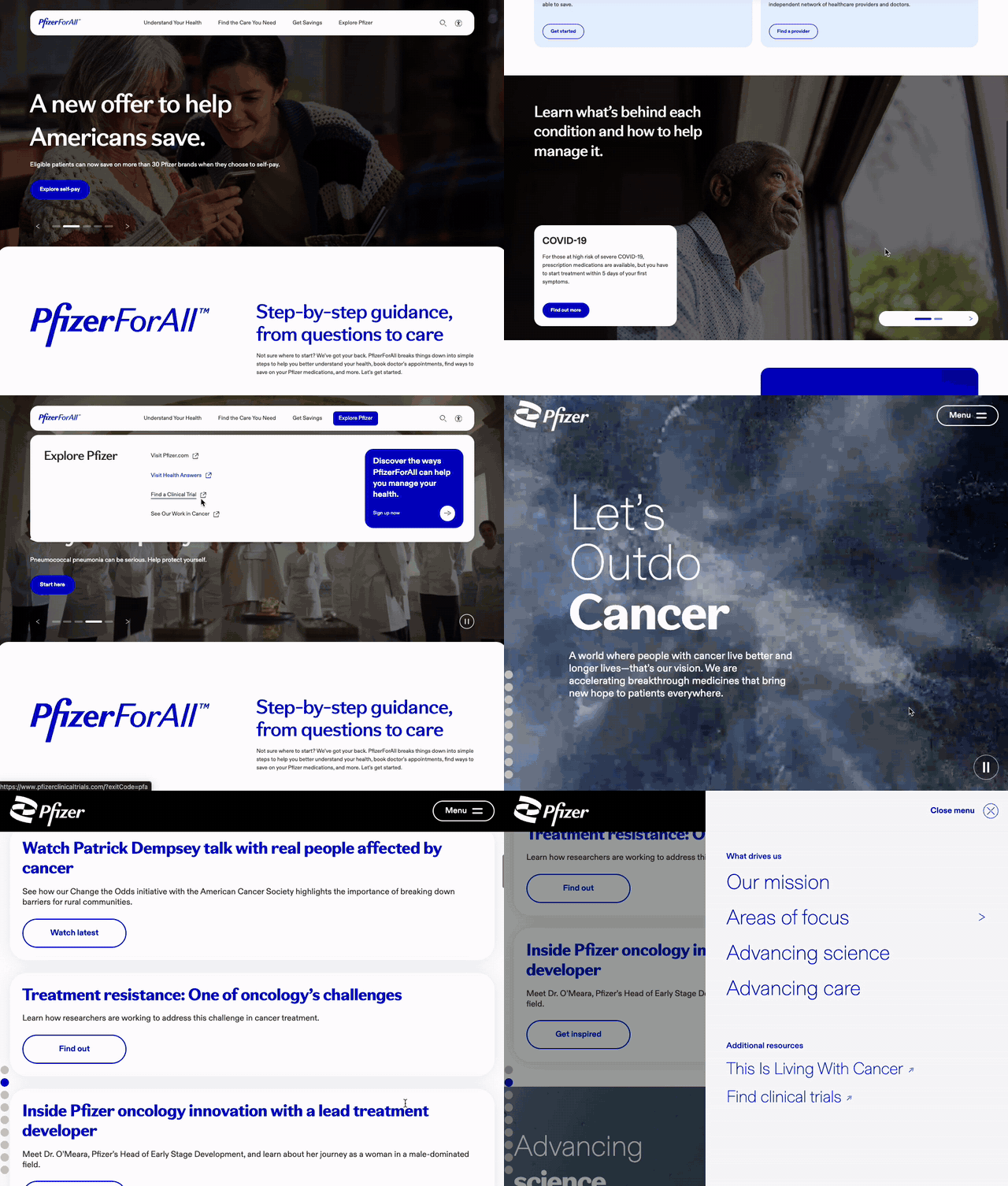
“Knowledge sharing, and helping people alleviate their fears about a new design system.”
The challenge
A major pharma organization's digital ecosystem had grown organically across 70+ product brands spanning branded HCP sites, branded patient sites, and unbranded therapy education resources. Each team had its own design language, its own information architecture, its own approach to regulatory review. The result wasn't a system. It was 70+ systems pretending to be one.
The cost was real. Operational inefficiency. Inconsistent patient and HCP experiences. Compliance risk that varied brand by brand. A speed-to-market problem in therapeutic spaces where launch timing matters in millions of dollars. Resource waste across 60+ team members running concurrent projects without shared infrastructure.
The leadership team needed digital governance that could support a multi-billion dollar therapeutic portfolio without slowing the brand teams down.
“Not as a constraint, but as an opportunity to get to market faster and be creative within regulated design constraints.”
I led the architecture and governance of three enterprise design systems, each serving a different audience and use case across the portfolio.
The work happened in three layers. The first was strategic: direct partnership with CTOs and senior business strategists on multi-million dollar digital initiative planning, including ROI documentation that could be reported to the board.
The second was architectural: defining the modular component logic, taxonomy, and content frameworks that would govern brand work across all 70+ brands. Each brand operates inside its own sandbox, working out particular content needs and creative expression within the governance framework. The system is intentionally restrained. Working with copywriters, medical strategists, and regulatory partners, I helped brand teams build information architecture that served both the system and the scientific story.
The third was operational: a governance training program shared with copy, design, and media partners. The training teaches the correct way to leverage the system, the tolerance to which it can be modified, and best practices for initial setup. The goal isn't compliance enforcement. It's knowledge sharing.
A specific innovation worth naming: I led the development of distribution channels for the Patient Design System, including a QR-based mobile wallet card for iOS and Android that gives patients fast access to co-pay information and medication support. It was an industry-first in pharma, made possible only because the design system was built to support new patterns instead of resisting them.
(Process & Journey)
From context to outcome
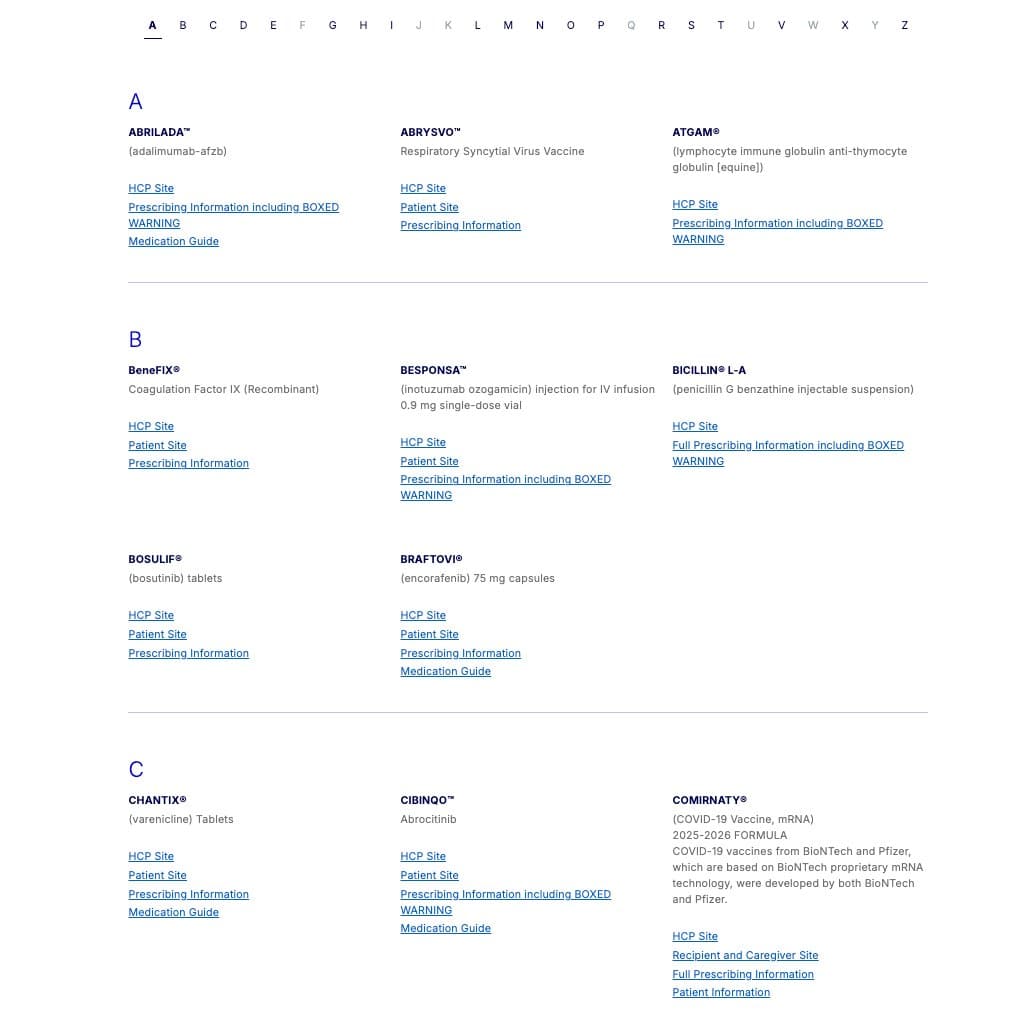
70+ brands, governed by 3 design systems
A multi-billion dollar therapeutic portfolio. 70+ product brands, each with branded HCP sites, branded patient sites, and unbranded therapy education resources. Before the work: each brand grown organically with its own design language, information architecture, and approach to regulatory review. 60+ team members duplicating effort, speed-to-market measured in months when it should have been weeks, compliance risk varying brand by brand. The architectural answer: three design systems serving three audiences, with shared foundations and distinct audience logic.
Swipe or tap arrows to navigateUse ← → keys to navigate
Selected outcomes
$3.5M+ in digital transformation investment
Documented at the executive level across all brands and sites. The 2.0 program continues to expand with elegance, enabled by a flexible system and intentional UX thinking.
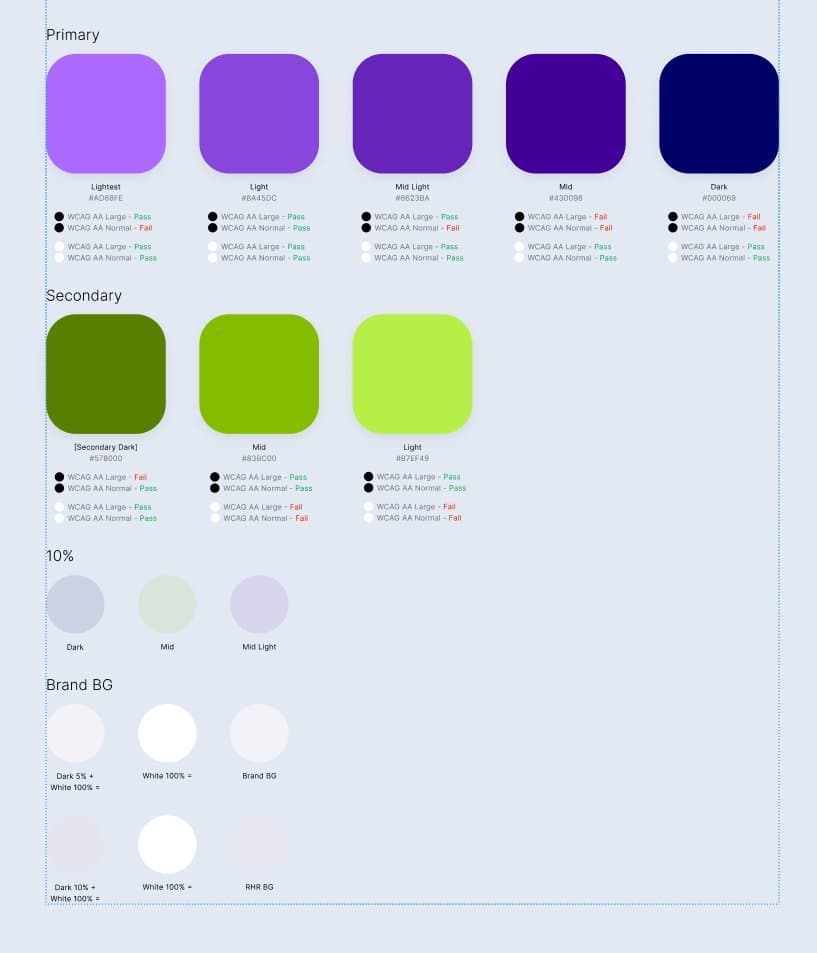
Three design systems serving three audiences
One focused on DTC sites, one on HCP-facing unified content and resource repositories, and one focused specifically on unbranded and disease education.
Industry-first mobile wallet integration
QR-based, FDA-compliant patient medication information deployed across iOS and Android for co-pay and patient support access.
Accelerated speed-to-market
Across product launches spanning day-one through 5-year study implementations.
Optimized vendor management
Across offshore and onshore development teams, reducing costs while maintaining brand consistency across 70+ brands.
Scalable infrastructure
Built to support future therapeutic area expansion and global market entry. Markets that don't use specific talking points can omit components without breaking the system. Time-to-market improves visibly.
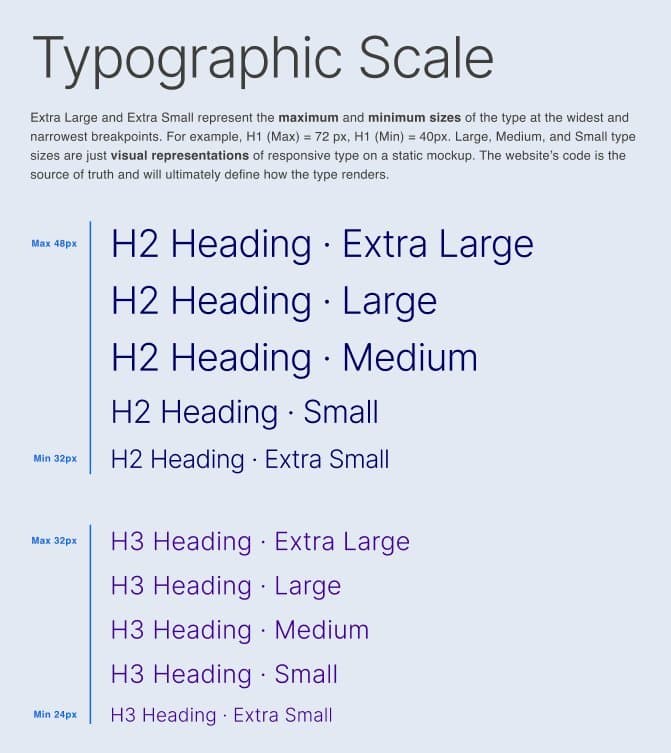
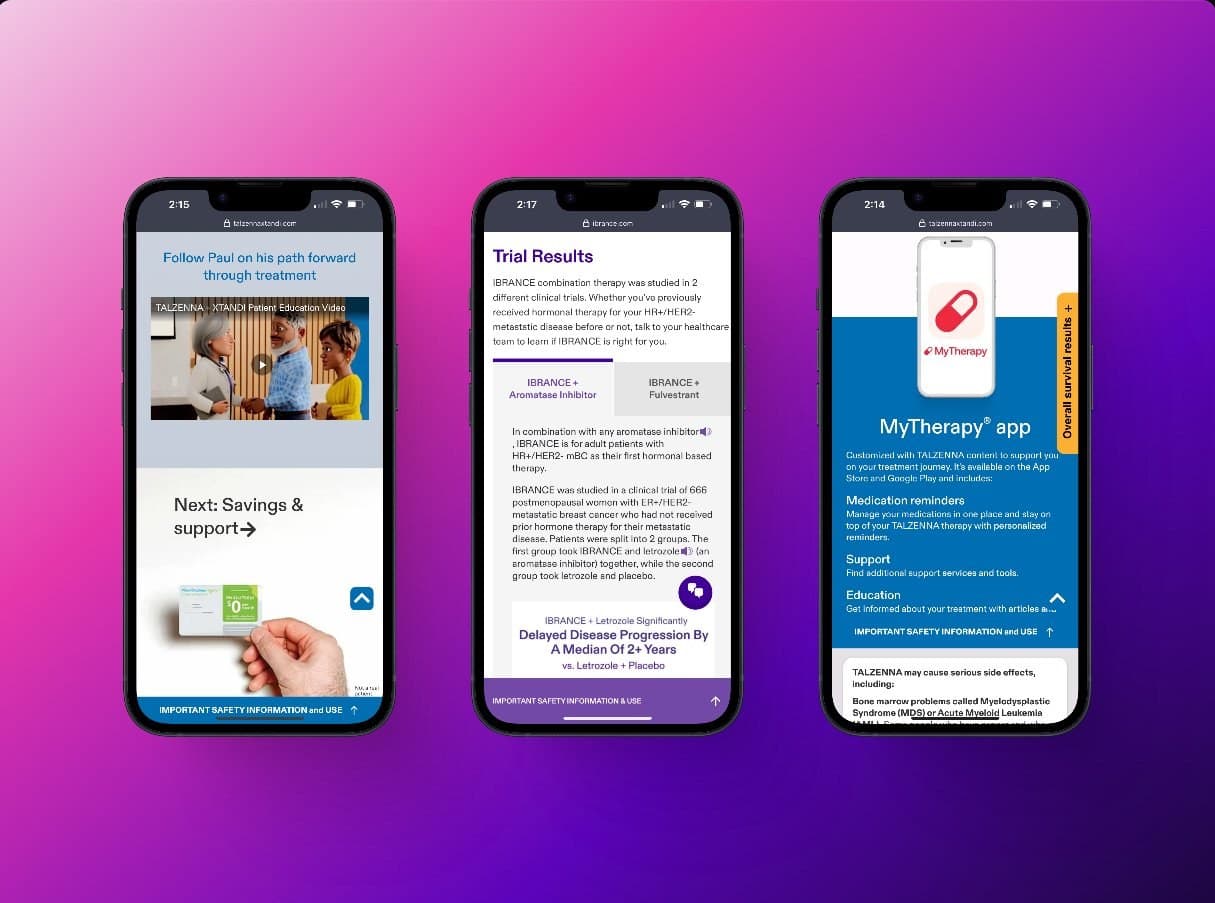
A design system isn't just a few Figma asset libraries. It's organizational design infrastructure. The version that survives, the version brand teams actually use five years later, the one that surfaces insights with every quarterly report, is the one whose governance is as carefully designed as its components.
This engagement is that work. Less visible than a single product launch. But far more valuable as an enterprise cost-savings lever and GTM accelerator.
Working through something similar?
Related work
Continue reading
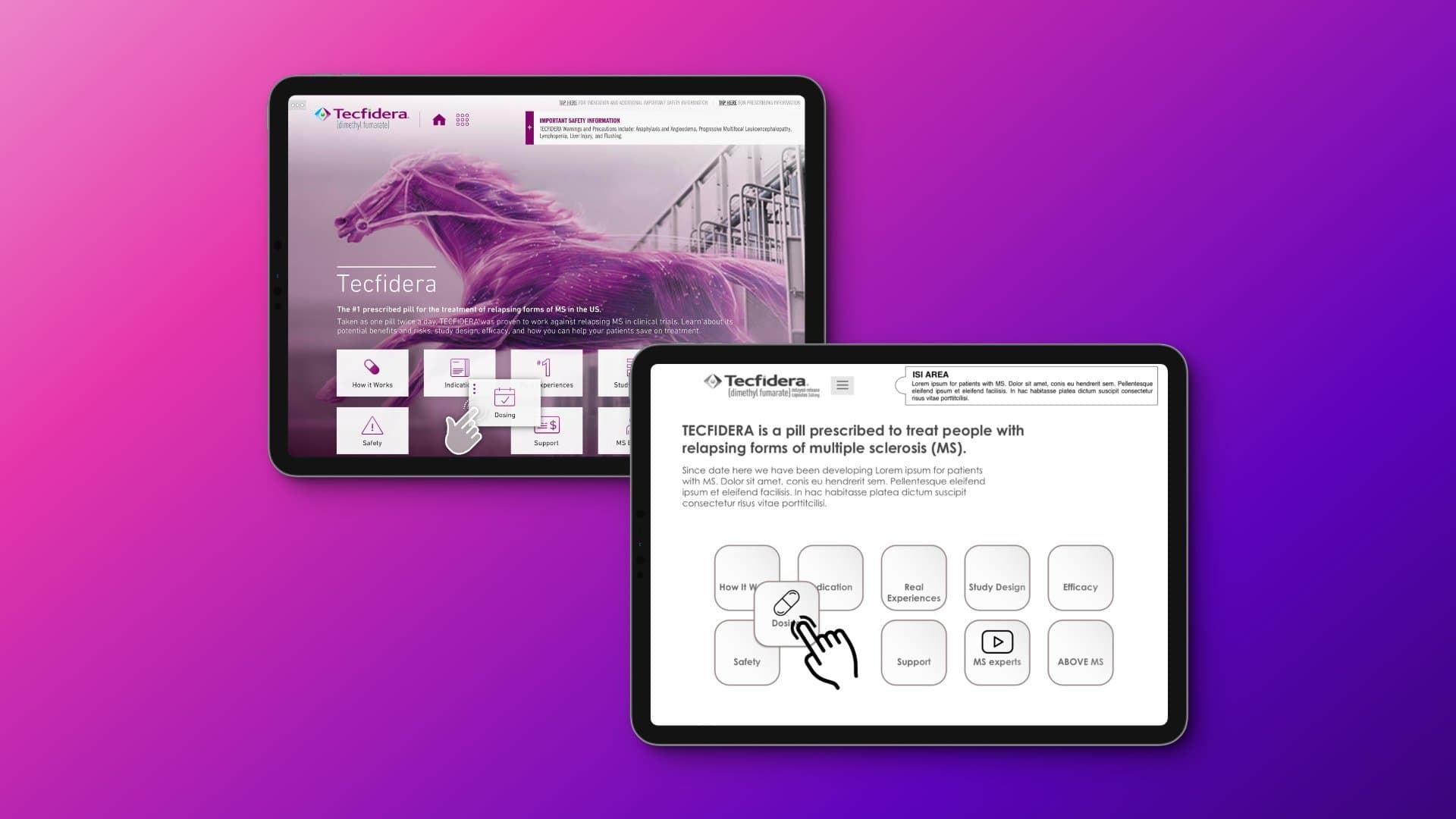
Multi-Brand Design System · Veeva + Salesforce
A modular sales design system that supports a multi-brand product portfolio
12 sales tools consolidated into 33 reusable components. Adoption from 65% to 92%.
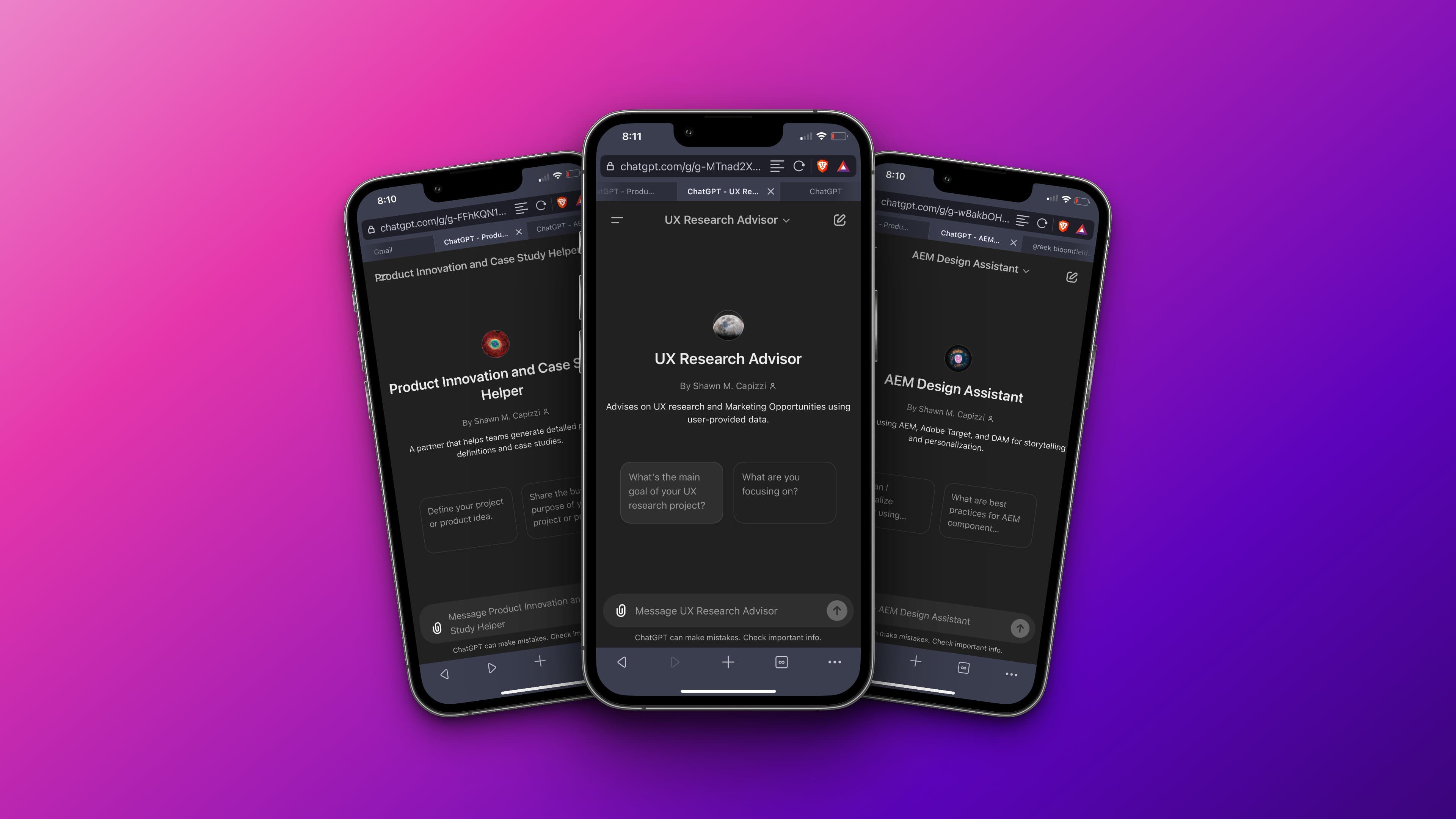
Solo · AI Native Design Lab
Building an AI-native product design lab
A working AI-native product design practice. UXR tools, prototype agents, healthcare-first applications.